

What Is Avant-Garde Fashion? Its Evolution, Features, and Modern Style
Fashion has always had rules. Certain silhouettes get called flattering. Certain proportions feel familiar, certain materials behave the way we expect them to, and most of the time nobody questions why. Avant-garde fashion is what happens when someone finally does.
The term itself comes from art and culture, actually, not fashion originally. It described a mindset that valued experimentation and had little patience for convention. Fashion borrowed that spirit somewhere along the way, and once it did, designers suddenly had room to mess with proportion, construction, movement, and even identity.
None of this means avant-garde has to look extreme. It might just be a sculptural coat sitting oddly on the shoulders. An asymmetrical dress. A texture that feels wrong until it doesn't or a silhouette that changes how a body reads in a room. The look keeps changing decade to decade, but the question underneath it stays put: what else can clothing become?
Table of Contents |
What Does Avant-Garde Mean in Fashion Today?
At its core, avant-garde fashion challenges conventional ideas of shape, proportion, construction, and materials. It often embraces deconstruction, exaggerated silhouettes, asymmetry, and unconventional details to create clothing that feels expressive rather than predictable.
Designers such as Rei Kawakubo, Yohji Yamamoto, and Issey Miyake helped shape this approach by rethinking volume, movement, and the relationship between clothing and the body.
But being unusual alone does not make something avant-garde. The design needs intention. An asymmetrical cut can change how a garment moves, while an oversized silhouette can reshape the way the body is perceived.
That is what makes the modern avant-garde dress code so compelling. It is less about following rules and more about questioning them.
At Gelareh Designs, this philosophy appears through sculptural silhouettes, handcrafted details, and made-to-order pieces created with individuality in mind.
How Avant-Garde Fashion Has Evolved
Avant-garde fashion has evolved considerably since its early roots in the avant-garde art movement. What began as a rejection of established ideas gradually found expression through designers who challenged traditional silhouettes, proportions, and methods of construction.
Over time, deconstruction, asymmetry, exaggerated volume, and unconventional materials moved from radical experimentation into the vocabulary of contemporary luxury. Today, the movement is less about shocking the audience and more about creating clothing with intention, individuality, and artistic value. It has become a way for designers to question what a garment can be while still making it relevant to the person wearing it.
The Defining Features of Avant-Garde Fashion
The easiest way to recognize avant-garde fashion is to look at what it does differently. But perhaps the better question is what it makes us notice. A silhouette, a seam, or a material can change our understanding of the body without saying anything at all.
Sculptural Silhouettes
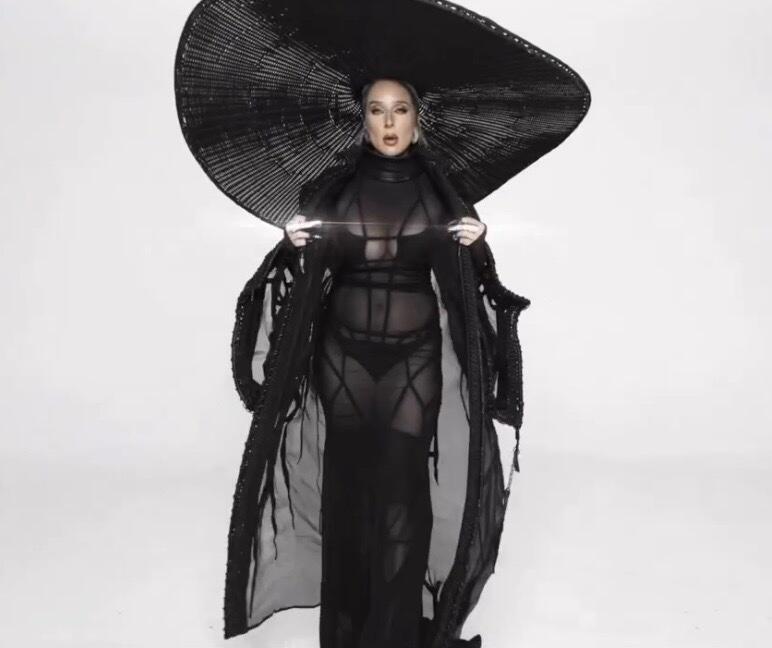
Garments may use exaggerated volume, architectural lines, elongated forms, or unexpected proportions. The clothing begins to occupy space in its own right, creating a conversation between the garment and the body rather than simply following it.
Asymmetry and Deconstruction
Uneven hems, unconventional cuts, exposed seams, and displaced layers challenge our natural expectation of balance. What might appear unfinished at first can become an intentional expression of movement, tension, and individuality.
Unconventional Materials and Textures
Leather, sheer fabrics, structured textiles, metallic details, and contrasting textures give garments their own character. In avant-garde design, materials are not simply chosen to make a piece functional. They help shape its identity and determine how it moves through space.
Beyond Traditional Fashion Rules
Contemporary avant-garde design often places greater importance on silhouette, proportion, and personal expression than on traditional distinctions between menswear and womenswear. The clothing becomes less about fitting into a category and more about creating a relationship between the garment and the person wearing it.
Gelareh Designs' Mechanique collection reflects this approach through its exploration of anatomy, sacred geometry, and mechanical design. Its sculptural details and metallic elements bring together structure and movement, allowing the garments to exist somewhere between clothing and art.

How to Style Avant-Garde Fashion Today
Styling avant-garde fashion does not mean building an entirely experimental wardrobe. Start with one strong piece, such as a sculptural coat, asymmetrical dress, oversized jacket, or unusually cut pair of pants, and let it lead the outfit.
This is where Gelareh Designs offers a natural example. Its approach to sculptural clothing combines handwork, material exploration, and considered construction, showing how an artistic silhouette can still feel personal and wearable. The Mechanique collection, inspired by anatomy, geometry, and mechanical forms, reflects this balance of structure and movement.
Keep the rest of the outfit simple. Black, white, gray, charcoal, and earthy tones allow an unusual silhouette to stand out without overwhelming the look. You can also play with proportion by pairing oversized pieces with fitted ones or long layers with shorter silhouettes.
Layering different textures and lengths can bring an avant-garde dress code into everyday dressing. Finish with architectural boots, sculptural jewelry, or a structured bag, but avoid letting accessories compete with the main piece.
The goal is not to make every element unusual. It is to create a look where each choice feels deliberate.
The Future of Avant-Garde Fashion
Avant-garde continues to evolve because fashion itself never stands still. Each generation questions what clothing can be, opening new possibilities through proportion, construction, material, and movement.
Today, the strongest avant garde fashion is less about shock and more about intention. Craftsmanship, individuality, wearable art, and longevity are becoming just as important as experimentation.
Perhaps that is where avant-garde is heading next: away from simply challenging convention and toward creating clothing with lasting meaning. A garment can move beyond seasonal trends and still feel relevant when it gives the wearer a different way to see, feel, and experience fashion.

FAQ
What does avant-garde mean in fashion?
Avant-garde fashion refers to clothing that challenges conventional ideas of silhouette, construction, proportion, materials, or styling. It often uses experimental forms and artistic details to create garments that feel distinctive and expressive.
What are the main features of avant-garde fashion?
Common features include sculptural silhouettes, asymmetry, deconstruction, unusual proportions, raw construction, unconventional materials, and designs that challenge traditional ideas of how clothing should look or function.
How can you style avant-garde clothing for everyday wear?
Start with one statement garment and keep the rest of the outfit relatively simple. Neutral colors, contrasting proportions, thoughtful layering, and understated accessories can make an experimental piece feel intentional and wearable.
What is an avant-garde dress code?
An avant-garde dress code encourages unconventional silhouettes, artistic details, experimental materials, and creative styling. It does not require an extreme outfit. One sculptural or deconstructed piece can establish the look.
Is avant-garde fashion only for the runway?
No. Avant-garde pieces can work in everyday wardrobes. A sculptural coat, asymmetrical top, or unusual pair of trousers can add an artistic element to familiar basics without making the entire outfit feel theatrical.
Can avant-garde fashion be minimalist?
Yes. Minimalist avant-garde dressing often relies on shape, proportion, texture, and construction rather than excessive decoration. A single architectural garment in a restrained color can create a strong look.
Is avant-garde a good clothing style?
Yes. Avant-garde is a strong clothing style for people who enjoy experimental silhouettes, unconventional details, and fashion that feels more artistic than traditional. It can be adapted to everyday dressing by choosing one distinctive piece and keeping the rest of the outfit simple. The key is to focus on quality, craftsmanship, proportion, and personal expression rather than wearing several dramatic elements at once.