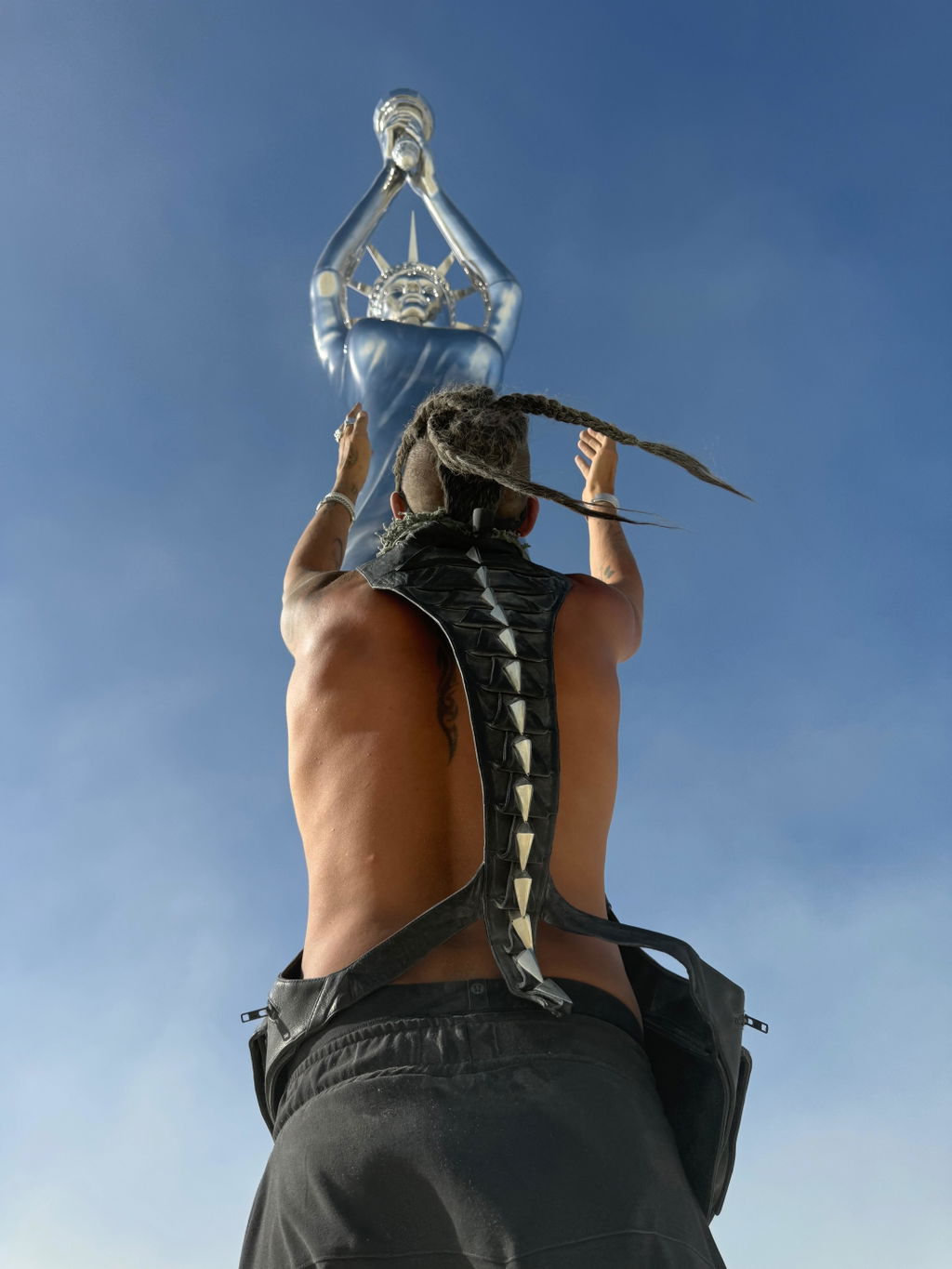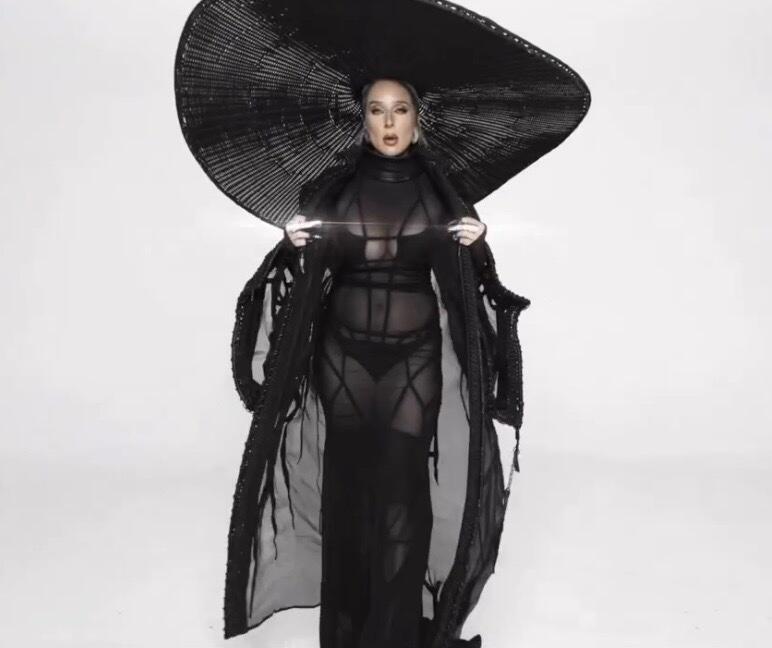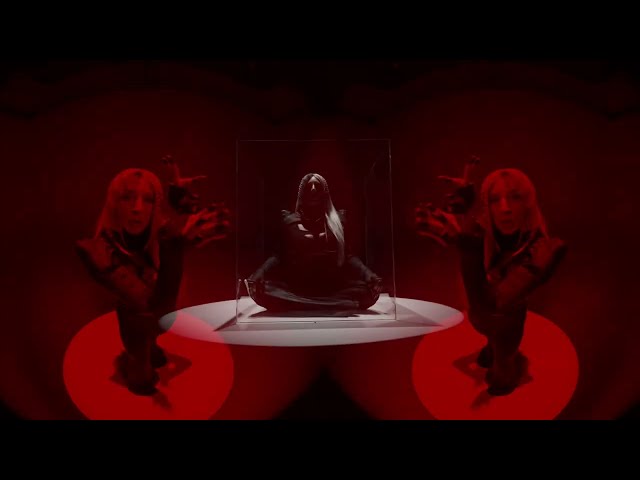
What Is Avant-Garde Fashion? Its Evolution, Features, and Modern Style

What Is Avant-Garde Fashion? Its Evolution, Features, and Modern Style

Fashion has always had rules. Certain silhouettes get called flattering. Certain proportions feel familiar, certain materials behave the way we expect them to, and most of the time nobody questions why. Avant-garde fashion is what happens when someone finally does.

The term itself comes from art and culture, actually, not fashion originally. It described a mindset that valued experimentation and had little patience for convention. Fashion borrowed that spirit somewhere along the way, and once it did, designers suddenly had room to mess with proportion, construction, movement, and even identity.

None of this means avant-garde has to look extreme. It might just be a sculptural coat sitting oddly on the shoulders. An asymmetrical dress. A texture that feels wrong until it doesn't or a silhouette that changes how a body reads in a room. The look keeps changing decade to decade, but the question underneath it stays put: what else can clothing become?


What Does Avant-Garde Mean in Fashion Today?

At its core, avant-garde fashion challenges conventional ideas of shape, proportion, construction, and materials. It often embraces deconstruction, exaggerated silhouettes, asymmetry, and unconventional details to create clothing that feels expressive rather than predictable.

Designers such as Rei Kawakubo, Yohji Yamamoto, and Issey Miyake helped shape this approach by rethinking volume, movement, and the relationship between clothing and the body.

But being unusual alone does not make something avant-garde. The design needs intention. An asymmetrical cut can change how a garment moves, while an oversized silhouette can reshape the way the body is perceived.

That is what makes the modern avant-garde dress code so compelling. It is less about following rules and more about questioning them.

At Gelareh Designs, this philosophy appears through sculptural silhouettes, handcrafted details, and made-to-order pieces created with individuality in mind.


How Avant-Garde Fashion Has Evolved

Avant-garde fashion has evolved considerably since its early roots in the avant-garde art movement. What began as a rejection of established ideas gradually found expression through designers who challenged traditional silhouettes, proportions, and methods of construction. 

Over time, deconstruction, asymmetry, exaggerated volume, and unconventional materials moved from radical experimentation into the vocabulary of contemporary luxury. Today, the movement is less about shocking the audience and more about creating clothing with intention, individuality, and artistic value. It has become a way for designers to question what a garment can be while still making it relevant to the person wearing it.

The Defining Features of Avant-Garde Fashion

The easiest way to recognize avant-garde fashion is to look at what it does differently. But perhaps the better question is what it makes us notice. A silhouette, a seam, or a material can change our understanding of the body without saying anything at all.

Sculptural Silhouettes

Garments may use exaggerated volume, architectural lines, elongated forms, or unexpected proportions. The clothing begins to occupy space in its own right, creating a conversation between the garment and the body rather than simply following it.

Asymmetry and Deconstruction

Uneven hems, unconventional cuts, exposed seams, and displaced layers challenge our natural expectation of balance. What might appear unfinished at first can become an intentional expression of movement, tension, and individuality.

Unconventional Materials and Textures

Leather, sheer fabrics, structured textiles, metallic details, and contrasting textures give garments their own character. In avant-garde design, materials are not simply chosen to make a piece functional. They help shape its identity and determine how it moves through space.

Beyond Traditional Fashion Rules

Contemporary avant-garde design often places greater importance on silhouette, proportion, and personal expression than on traditional distinctions between menswear and womenswear. The clothing becomes less about fitting into a category and more about creating a relationship between the garment and the person wearing it.

Gelareh Designs' Mechanique collection reflects this approach through its exploration of anatomy, sacred geometry, and mechanical design. Its sculptural details and metallic elements bring together structure and movement, allowing the garments to exist somewhere between clothing and art.

How to Style Avant-Garde Fashion Today

Styling avant-garde fashion does not mean building an entirely experimental wardrobe. Start with one strong piece, such as a sculptural coat, asymmetrical dress, oversized jacket, or unusually cut pair of pants, and let it lead the outfit.

This is where Gelareh Designs offers a natural example. Its approach to sculptural clothing combines handwork, material exploration, and considered construction, showing how an artistic silhouette can still feel personal and wearable. The Mechanique collection, inspired by anatomy, geometry, and mechanical forms, reflects this balance of structure and movement.

Keep the rest of the outfit simple. Black, white, gray, charcoal, and earthy tones allow an unusual silhouette to stand out without overwhelming the look. You can also play with proportion by pairing oversized pieces with fitted ones or long layers with shorter silhouettes.

Layering different textures and lengths can bring an avant-garde dress code into everyday dressing. Finish with architectural boots, sculptural jewelry, or a structured bag, but avoid letting accessories compete with the main piece.

The goal is not to make every element unusual. It is to create a look where each choice feels deliberate.

The Future of Avant-Garde Fashion

Avant-garde continues to evolve because fashion itself never stands still. Each generation questions what clothing can be, opening new possibilities through proportion, construction, material, and movement.

Today, the strongest avant garde fashion is less about shock and more about intention. Craftsmanship, individuality, wearable art, and longevity are becoming just as important as experimentation.

Perhaps that is where avant-garde is heading next: away from simply challenging convention and toward creating clothing with lasting meaning. A garment can move beyond seasonal trends and still feel relevant when it gives the wearer a different way to see, feel, and experience fashion.

FAQ

What does avant-garde mean in fashion?

Avant-garde fashion refers to clothing that challenges conventional ideas of silhouette, construction, proportion, materials, or styling. It often uses experimental forms and artistic details to create garments that feel distinctive and expressive.

What are the main features of avant-garde fashion?

Common features include sculptural silhouettes, asymmetry, deconstruction, unusual proportions, raw construction, unconventional materials, and designs that challenge traditional ideas of how clothing should look or function.

How can you style avant-garde clothing for everyday wear?

Start with one statement garment and keep the rest of the outfit relatively simple. Neutral colors, contrasting proportions, thoughtful layering, and understated accessories can make an experimental piece feel intentional and wearable.

What is an avant-garde dress code?

An avant-garde dress code encourages unconventional silhouettes, artistic details, experimental materials, and creative styling. It does not require an extreme outfit. One sculptural or deconstructed piece can establish the look.

Is avant-garde fashion only for the runway?

No. Avant-garde pieces can work in everyday wardrobes. A sculptural coat, asymmetrical top, or unusual pair of trousers can add an artistic element to familiar basics without making the entire outfit feel theatrical.

Can avant-garde fashion be minimalist?

Yes. Minimalist avant-garde dressing often relies on shape, proportion, texture, and construction rather than excessive decoration. A single architectural garment in a restrained color can create a strong look.

Is avant-garde a good clothing style?

Yes. Avant-garde is a strong clothing style for people who enjoy experimental silhouettes, unconventional details, and fashion that feels more artistic than traditional. It can be adapted to everyday dressing by choosing one distinctive piece and keeping the rest of the outfit simple. The key is to focus on quality, craftsmanship, proportion, and personal expression rather than wearing several dramatic elements at once.


Avant-garde fashion

New York Fashion Week 2026: How Sculptural Fashion Continues to Shape Luxury Design

New York Fashion Week 2026, taking place from September 10–15, will once again bring together designers, editors, buyers, stylists, and fashion enthusiasts from around the world. As one of the industry's most anticipated events, it continues to shape conversations around craftsmanship, innovation, and the future of luxury fashion.

This season, one idea stood out across the runways: clothing that reshapes the silhouette rather than simply following the body. Sculptural tailoring, architectural outerwear, and thoughtful construction reflected a growing appreciation for form, precision, and artistry. 

More than a passing trend, sculptural fashion continues to influence how luxury is designed and experienced. It reminds us that true craftsmanship isn't always defined by embellishment. Instead, it's found in the confidence of a perfectly constructed silhouette.


What "Sculptural" Fashion Actually Means Right Now

The term "sculptural fashion" is often associated with bold runway pieces, but its meaning runs much deeper than dramatic silhouettes.

Unlike traditional tailoring, sculptural design focuses on creating form rather than simply enhancing the body's natural shape. Every curve, seam, and proportion is carefully considered to create garments that feel architectural while remaining wearable.

Material plays an equally important role. Structured wool, molded leather, bonded fabrics, and innovative textiles allow designers to create silhouettes that hold their shape without losing movement. The result is clothing that feels intentional from every angle.

That shift was evident throughout New York Fashion Week 2026, where structure often replaced ornamentation as the defining feature of luxury. Instead of relying on elaborate embellishments, designers let craftsmanship, proportion, and construction tell the story.

Sculptural fashion by Gelareh Designs

Where Gelareh Designs Fits Into the Conversation

At Gelareh Designs, sculptural design has never been treated as a passing trend. It's part of the brand's creative foundation.

Collections such as Mechanique explore the relationship between architecture and the human form through handcrafted construction, clean lines, and expressive silhouettes. Rather than designing garments around seasonal trends, each piece is created with longevity and individuality in mind.

This philosophy closely mirrors the growing appreciation for wearable art fashion seen across today's luxury landscape. While New York Fashion Week 2026 continues to inspire conversations around structure and innovation, Gelareh Designs approaches those same ideas through timeless craftsmanship and made-to-order artistry.

The result is clothing that feels both sculptural and deeply personal, with pieces created not simply to be worn but to be experienced.

Rigid Meets Fluid

One of the most interesting themes to emerge from New York Fashion Week 2026 was the balance between structure and movement.

Architectural silhouettes, cocoon coats, broad shoulders, and sharply defined waists appeared throughout the season, yet the strongest looks never felt rigid. Instead, they created a dialogue between control and ease. A structured coat still moved naturally. A dramatic silhouette still allowed the wearer to feel comfortable within it.

That tension is what makes sculptural fashion so compelling. It's not about creating clothing that feels restrictive. It's about finding harmony between bold construction and effortless movement.

This design language is also expanding beyond couture. Structured tailoring, sculptural denim, and modern luxury outerwear are bringing architectural ideas into everyday wardrobes, proving that sculptural design is no longer reserved for the runway.

NASRANI SLEEVELESS COAT - GELAREH

Sculpture at the Edges of the Body

Runway collections often spark inspiration, but meaningful design lives beyond a single fashion season. At Gelareh Designs, sculptural thinking is translated into garments created to be worn, collected, and appreciated over time.

The Avant Long Coat embodies architectural simplicity with its elongated silhouette and confident structure, making it a timeless expression of modern luxury outerwear.

The High Collar Coat explores proportion in a different way, using its sculpted neckline to frame the face while creating a bold yet refined silhouette.

For a lighter interpretation of architectural dressing, the Sleeveless Long Coat demonstrates how clean lines and thoughtful layering can create striking visual impact without unnecessary embellishment.

Meanwhile, the Beaded Poncho approaches detail through craftsmanship, allowing texture and intricate handwork to become part of the garment's sculptural identity rather than simple decoration.

Together, these designs reflect Gelareh's belief that clothing should blur the line between fashion and art while remaining beautifully wearable.

Why Luxury Keeps Returning to This Language

While New York Fashion Week 2026 celebrates established fashion houses, it also shines a light on a growing movement led by independent designers.

Across the industry, more creatives are embracing slow fashion, handcrafted production, and made-to-order collections instead of chasing rapid trend cycles. Their focus isn't on producing more garments. It's on creating meaningful ones.

This shift has helped redefine luxury. Today's customers increasingly value craftsmanship, originality, and the story behind each piece as much as the finished design itself.

That philosophy has always been central to Gelareh Designs. Every garment begins with an artistic vision, guided by careful construction and creative independence rather than seasonal expectations. It's an approach that naturally aligns with avant-garde fashion, where innovation comes from thoughtful design instead of excess.

Wearable art fashion

Where This Leaves the Rest of Us

I don't think sculptural fashion is really about spectacle, even though it often produces it. It's about a willingness to treat clothing as something closer to an argument than an accessory, a stance the wearer takes, not just an outfit they put on. 

That's the tradition we build toward at Gelareh: pieces made as artifacts rather than products, intended to outlast the season they were born into.

New York Fashion Week 2026 didn't invent that idea. But it reminded the industry, loudly and in three dimensions, that clothing was never obligated to just cover the body. Sometimes it gets to reason with it instead.

FAQ

What is sculptural fashion?

Sculptural fashion refers to garments designed with architectural, three-dimensional silhouettes, often using rigid or moldable materials, that intentionally depart from the body's natural lines rather than simply following them.

Why is sculptural fashion prominent at New York Fashion Week 2026? 

Designers use exaggerated silhouettes, structured hardware, and sculptural accessories to push luxury design beyond decoration, treating garments as engineered forms rather than purely functional clothing.

What materials are used to create sculptural silhouettes? 

Common materials include bonded neoprene, molded leather, resin, and lightweight metals, chosen specifically for their ability to hold dramatic, non-body-conforming shapes.

Is sculptural fashion only for eveningwear or the red carpet? 

No. This season showed sculptural elements moving into luxury outerwear, denim, and everyday tailoring, signaling that the aesthetic is expanding beyond occasion wear.

How does sculptural fashion relate to wearable art? 

Sculptural fashion sits at the intersection of garment and art object. Pieces are often designed to be visually and conceptually striking first, with wearability engineered around that vision rather than the reverse.

Why do luxury brands favor sculptural design? 

It signals high-level craftsmanship, creates strong visual impact, and produces pieces that feel rare and considered rather than mass-produced.


The Avant Long Coat: Crafted Slowly, Worn Like a Second Spine

The Avant Long Coat: Crafted Slowly, Worn Like a Second Spine

There is an intelligence beneath every living thing. Beneath muscle and bone, beneath the joints of a cathedral, beneath the turning gears of a machine. It is not visible. But it is always working, holding everything in relation to everything else. 

The Mechanique collection began with that invisible intelligence as its starting point. Anatomy, sacred geometry, and mechanical design stopped being separate disciplines and became one visual language. The question was not, "What does a garment look like?" It was what a garment knows. 

“Every design begins with an idea, an emotion, or a question about being human, and I translate that into texture, structure, and form." —Gelareh Alam 

For Gelareh Alam, this was never an abstract idea. She has always been drawn to the places where anatomy, architecture, and emotion intersect. The way a spine distributes load. The way a vault transfers force. The way the body, under pressure, does not break but reorganizes itself around what remains. Mechanique was built from that fascination. 

The Philosophy Behind Mechanique 

  • Invisible intelligence: the system beneath every organism, structure, and machine

  • Anatomy: the body as the original blueprint for strength and transformation

  • Sacred geometry: the patterns connecting all living systems to each other

  • Interconnected systems: the idea that nothing holds together in isolation

  • Transformation through wearable art: garments designed to move with identity, not against it

The Avant Long Coat is the answer made physical. It is the collection's central axis. Every element of Mechanique radiates through this piece, and in turn, the person wearing it brings that philosophy to life. 


Behind the Design: A Letter From Gelareh

I want to tell you something true about how this coat came to exist.

I was not thinking about silhouettes when I started. I was thinking about spines. The central axis. The place where we are simultaneously most fragile and most capable of transformation.

Years ago, my father underwent major spinal surgery. I watched the architecture of his spine being rebuilt with metal, and something in that stayed with me. Not as trauma, but as understanding. The spine is not simply structural. It is the axis around which a person reorganizes after everything changes. 

The hand-woven textures took months, and I needed them to. I was asking myself what it means to carry everything you have lived through and still move forward. Every thread crossing another became my answer. Not a symbol of it. The actual answer, made physical. We are not made stronger by being simple. We are made stronger by the density of our crossings 

The metalwork came from a different question: what does it feel like when something inside you finally stops bending? The clasps, the hardware, and the hand-rolled leather finishes are not decorative. They are the moment strength stops being effort and becomes structure.

I designed the Avant Long Coat not simply to be worn, but to be inhabited. To become an extension of the person wearing it. 


Deconstructing the Icon

The Avant Long Coat begins at the torso. Heavy premium wool contours the upper body with enough structure to stand independently on a flat surface, which is how you know the construction is honest. A garment that collapses without a body inside it was never really built for one. This coat is designed to become an extension of the person wearing it, not a layer placed over them. 

The skirt flares dramatically from the hip, structural rather than fluid, creating a silhouette that reads as architectural from any angle. This is wearable sculpture, not garment construction. The geometry was calculated through dozens of iterations, each one asking the same question: Does this serve the body wearing it, or only the eye looking at it? 

What the Craft Actually Looks Like

Quilting traces the extra-large hood following the curvature of a skull, then continues through the cuffs and along the trim. It is not applied as a pattern. It is integral to the structure, the way ribbing is integral to a vault. Every woven section is created entirely by hand. Each strand is placed slowly and deliberately, the structure emerging the way architecture does: one connection at a time, nothing rushed, nothing assumed. 

  • Hand-rolled leather finishes along every exposed edge, approximately forty minutes of work per meter

  • Laced-up leather detailing at closure points, referencing the collection's language of things held together by intention rather than hidden mechanics

  • Premium wool bodice construction hand-graded per individual measurement before cutting begins

  • Oversized hood quilting following cranial geometry, not decorative line

None of this is visible in a photograph the way it is visible in person. You have to be inside the coat to understand what it is.

The Curation of Contrast: Textural Layering

The Avant Long Coat is not the only language in Mechanique. It is the loudest one. The collection speaks in three other registers, each built on the same philosophy, each arriving at it differently.


Movement: The Beaded Poncho Cape

A beaded poncho cape moves the way the coat does not. Where the wool holds and contours, the beadwork captures and releases light kinetically, with each shift of the shoulder sending a ripple of reflection through the piece. No static image can fully capture the cinematic play of shadows that the beaded poncho cape produces when worn against a dark interior layer.

A beaded poncho for women in this collection carries the same conceptual weight as the coat, expressed through movement rather than mass. Individual elements linked precisely, functioning only as a whole. It does not sit on the body. It moves with it, responding to the wearer rather than directing them. 

Length: The Sleeveless Long Coat

The sleeveless long coat is the collection's most architectural understatement. All length, no sleeve, framing whatever is worn underneath while preserving the vertical line running through everything Mechanique touches. Not a lesser coat. A different argument about proportion. It invites the wearer to complete the silhouette rather than be completed by it. 

Precision: The High Collar Coat

For days requiring something sharper, a high collar coat removes all softness from the equation.

  • Clean geometry from collar to hem

  • A neckline that frames the face with architectural precision

  • The collection's most minimal silhouette, and minimum here does not mean quiet

The Slow Fashion Ritual

Every garment takes between two and six weeks to complete. That is not a disclaimer. It is the point.

How the Made-to-Order Process Works

  • No inventory is held. Nothing is produced without a confirmed buyer

  • After purchase, the team contacts each client directly for full measurements

  • The pattern is hand-graded to that specific body before a single cut is made

  • The material is cut once, with intention, not hedged against returns

This eliminates industrial waste by nature, not by policy. When nothing is made without a wearer, nothing accumulates without a purpose. It also means that every piece carries the energy of having been made for someone specific. That is not sentiment. That is a different quality of attention, and it shows in the object. 

The person finishing your coat knows it is yours before it is finished. That knowledge changes the quality of attention. Not sentimentally. Practically. A maker working toward a specific person works differently than one working toward a quota.

The Avant Long Coat is for those who no longer mistake quality for speed. For those who understand that the most resilient things (spines, cathedrals, well-made coats) are built slowly, with full attention, and last accordingly.

Mechanique is ultimately about what cannot be seen. The intelligence beneath the organism. The geometry beneath the skin. The system that holds everything together without ever announcing itself. Every garment in this collection is an expression of that idea: that the most powerful structures are the ones built from the inside out, slowly, with full understanding of what they are asked to carry. 

Frequently Asked Questions

How long does it take to receive an Avant Long Coat?

Every piece is made to order in our Bali atelier. Production takes two to six weeks depending on the piece's complexity. You will be contacted after purchase with a precise timeline.

How does the made-to-order sizing process work?

After an order is placed, the customer service team contacts each buyer directly to collect comprehensive measurements. The pattern is hand-graded to those specific measurements before cutting begins.

Can the Avant Long Coat be layered with other Mechanique pieces?

Yes. The structured wool of the Avant Long Coat contrasts deliberately against the kinetic beaded poncho cape, the beaded poncho for women, the sleeveless long coat, and the geometric precision of the high collar coat.

What materials are used in the Mechanique collection?

Heavy premium wool, hand-woven textiles, custom-treated leather, and forged metal hardware. No synthetic fillers. Every material selected for longevity, not cost reduction.

Does Gelareh Designs ship internationally?

Yes. Worldwide shipping is available on all orders, with secure packaging designed to protect the structural integrity of each piece in transit.


full-body mesh bodysuit

Full-Body Mesh Bodysuit: Fit, Craft & Sculptural Style

Explore the fit, craftsmanship, and styling of a full-body mesh bodysuit, including full-body net suit designs and layering ideas.

Sculpting Sovereignty: Why Luxury Wearable Art Is Redefining the Avant-Garde Closet

Sculpting Sovereignty: Why Luxury Wearable Art Is Redefining the Avant-Garde Closet

A garment can hold a body the way a sculpture holds its form. That's the premise behind Gelareh Designs, and that’s why the brand calls its work luxury wearable art, not clothing.

Gelareh Alam didn't arrive at this by accident. She grew up in Iran under strict censorship, where fabric and form became a quiet, coded language. San Francisco gave her something different: room to make work without asking permission. As a sculptor and painter first, she still designs the way she sculpts, building outward from the body instead of draping over it.

That instinct shows up in every piece as sculptural armor: distressed wool, premium Lycra, hand-shaped leather, fitted close like a second skin. It's luxury wearable art with a structural agenda, a philosophy woven into every piece across the brand's complete avant-garde collections


How Avant-Garde Fashion Transforms Clothing Into Wearable Art 

Avant-garde fashion rejects the flat, automated patterns that dominate mass production. Gelareh Designs builds outward from the body instead, drawing on dimensional, organic geometries.

Skeletal bone structures inform seam placement. Volcanic fissures inspire the cracked, layered textures across bodices. Cosmic fields shape the asymmetry of entire silhouettes.

This is a slow-fashion house by design, not by marketing copy. Every piece is bespoke and made to order, which eliminates the waste baked into mass manufacturing and protects the integrity of the original sketch.

Why Luxury Wearable Art Requires Bespoke Craftsmanship 

  • Manual fabric texturing, done by hand, piece by piece

  • Intricate hand-embroidery layered across structural panels

  • Custom metalwork shaped specifically for each silhouette

  • Tailored pattern adjustments unique to the individual client

None of this happens on a factory line. A single coat can take weeks because the leather paneling is cut, scored, and shaped by hand before a single seam is sewn. The metalwork is forged, not stamped, which is why no two clasps sit identically against the body.

This is the operational backbone of avant-garde fashion at this level: labor-intensive, irregular by intention, and resistant to shortcuts. This uncompromising, labor-intensive engineering is precisely why the garments can survive the earth's most hostile, unforgiving environments.

Why Premium Burning Man Fashion Demands Performance and Durability 

Black Rock City does not forgive bad construction. The alkaline dust is abrasive, the wind is relentless, and a garment built for ordinary Burning Man fashion can fail within hours on the playa.

Premium Burning Man fashion has to survive conditions that would shred a typical statement piece. Gelareh Designs treats this as an engineering problem first, a visual one second.

The Galactic Guardian, one of the brand's modular silhouettes, transforms from a structured jacket into a dramatic flowing cape without sacrificing wearability across a twelve-hour day in the desert.

Key Features of Premium Burning Man Fashion Outerwear 

  • Deep-pocket implementations sized for real desert essentials

  • Heavy-duty closures that withstand repeated wear and abrasion

  • High-quality internal breathable linings for comfort during extended use

  • Reinforced seams along stress points to prevent dust-related tearing

These modular layers are built precisely for that environment, engineered to hold their form throughout the entire burn cycle as high-performance architectural outerwear

This is where luxury wearable art earns its second word. Art that cannot survive its own environment is decoration, and decoration is not the business Gelareh Designs is in. But the brutal elements of the playa are not the only stage where this physical armor commands absolute authority. 

Luxury Wearable Art in Film and Television Costume Design 

The brand's dark fantasy aesthetic has moved well beyond retail. Gelareh Designs has built pieces for film/television costume design work on productions that demand a very specific visual language.

On Star Trek: Discovery, the brand contributed highly geometric, otherworldly lines for futuristic star-beings, where every angle had to read as alien rather than costumed.

On Lucifer, the work shifted toward sleek, commanding leather silhouettes designed to convey systemic power on screen. On Black Lightning, graphic, sharp-edged armor was engineered specifically to translate cleanly in high-definition broadcast.

This same aesthetic has reached the stage. Lady Gaga, Jared Leto, and FKA Twigs have all worn Gelareh Designs pieces for live performance, where structural armor functions as both costume and amplifier.

Film/television costume design and concert wardrobe demand the same thing: garments that hold their geometry under harsh lighting and constant movement. The same engineering standard applies to every retail piece the brand produces.

Why Collectors Choose Luxury Wearable Art 

Choosing a bespoke piece from this house is a quiet act of devotion. It is devotion to individual sovereignty, to slow-fashion integrity, and to the idea that clothing can carry intention rather than just fabric.

To ensure an exact anatomical fit, first-time buyers can utilize the brand's personal measurement care service prior to placing an order. It is the surest way to receive a piece engineered specifically for one's body.

Frequently Asked Questions

How does the made-to-order sizing process work?

After purchase, the customer service team contacts every buyer directly to collect detailed chest, waist, and silhouette measurements. This step bypasses the sizing errors common with off-the-rack garments.

What materials are used in these structural garments?

Gelareh Designs avoids cheap synthetic fillers entirely. Every piece is built from high-grade natural wool, cotton, custom-treated leather, and flexible lycra, chosen for durability and movement.

How does international shipping and payment work?

The brand offers free worldwide shipping on all orders. Shop Pay integration also allows customers to split payments into secure, flexible installments at checkout.

Is luxury wearable art suitable for everyday wear or only for events?

Many pieces, particularly the modular outerwear, are engineered for repeated daily use. The same construction standard built for film/television costume design performs well in ordinary urban environments.


From Concept to Couture: The Zero-Waste Journey of Handmade Luxury Fashion

From Concept to Couture: The Zero-Waste Journey of Handmade Luxury Fashion

The handmade luxury fashion industry loves the word "couture." It appears on labels, in lookbooks, across brand stories written by people who have never even watched an artisan spend four hours on a single seam. At Gelareh Designs, the word earns its place - because the journey from concept to couture is not a metaphor. It is a literal, unhurried, zero-waste process that begins only when you decide it should.

That philosophy came directly from founder Gelareh Alam, a designer whose path to fashion ran through conflict, displacement, and the kind of silencing that can only be answered through art. When she built this San Francisco atelier, she wasn't entering an industry. She was correcting one.

Here’s how that philosophy translates into every garment we make.

One Atelier. One Artisan. One Garment.

Walk into most places that call themselves luxury brands, and you'll find a supply chain -  factories, subcontractors, and warehouses stacked with pre-cut fabric waiting to become something. At Gelareh, none of that exists.

Every piece is crafted by a single master artisan in our in-house atelier, from the first cut to the final stitch. One person. One garment. One sustained act of attention that cannot be replicated by a production floor or accelerated by a deadline.

The needle doesn't move until you place your order. That's not a poetic claim. It's how we operate - and it's what separates genuine handmade luxury fashion from bulk manufacturing.

The Fabrics That Refuse to Be Ordinary

We choose each fabric with the same deliberateness as the garment itself. Nothing is background. Everything is character.

  • Leather - sculpted, molded, and tooled entirely by hand. Our leather statement pieces are built to age into authority, deepening with wear rather than diminishing from it.

  • Leather harness fashion constructions - pieces that sit between garment and sculpture, channeling strength and restraint into something worn as pure assertion.

  • Metallic & structural fabrics - worked and manipulated for hours to achieve the precise drape, tension, and silhouette the design demands.

  • Silk, suede & lace -  introduced where strength needs fragility as its counterpoint, creating the juxtaposition that defines the Gelareh aesthetic.

Our handcrafted leather fashion is among the most technically demanding work we produce. Leather doesn't forgive mistakes - every incision is permanent, every seam a record of the hand behind it. 

Made-to-Order Is the Zero-Waste Strategy

The fashion industry generates staggering amounts of textile waste every year - and the mechanism is straightforward: brands produce more than they sell, and the excess gets warehoused, discounted, or destroyed. The root cause is anticipation without responsibility.

We have never operated this way. Not because of a sustainability initiative, but because producing without purpose has never been compatible with what we believe a garment should be.

Every piece at Gelareh is made to order - not to scale production, but to preserve intention. When you place an order, you are not selecting from existing inventory. You are initiating the existence of something that would not otherwise exist. The fabric is sourced for your piece. The artisan's time is devoted to your piece. Nothing is made speculatively, nothing sits in a warehouse, and nothing is ever destroyed at the end of a season.

Built Around You, Not a Size Chart

Standard sizing is a system designed for producers, not for people. It assumes a statistical average and implicitly tells everyone outside it that luxury wasn't made for them. We find that unacceptable.

Our bespoke tailoring option allows up to 30% of a garment's construction to be re-engineered around your exact measurements - your posture, your proportions, the specific way your body moves. This isn't an alteration. It is building the garment's architecture outward from you as the blueprint.

Worn at the Grammys. Housed in the Smithsonian.

There is a persistent assumption that handmade and slow mean marginal. Gelareh Designs disproves it quietly and completely.

Our work has been exhibited at the Smithsonian American Art Museum, the Cincinnati Art Museum, and the Oakland Museum of California. Our leather statement pieces and structural garments have appeared at the COP28 Sustainable Fashion Summit, on stage during a live Prince performance, and in productions including Star Trek: Discovery, Lucifer, and Gotham.

These aren't partnerships pursued for credibility. They are recognitions of what the work already is - art that holds cultural weight precisely because it was made by hand, with intention, for a specific person or moment. In a world of machine-perfect uniformity, that is increasingly rare and increasingly powerful.

Most People Wear Clothing - A Few Wear Conviction

We have no limited-time offer. No seasonal pressure designed to make last month's purchase feel like a mistake. What we make doesn't work that way, and neither do the people who wear it.

If you've read this far, you already understand the difference between a garment that was manufactured and one that was made. Between something pulled from inventory and something that didn't exist until you asked for it. Between clothing and handmade luxury fashion that was built, specifically, deliberately, completely, for you.

The next step is yours. Begin your custom order at Gelareh Designs today. 

Frequently Asked Questions

How long does a made-to-order piece take?

Each creation is developed with care, precision, and attention to detail. The timeline reflects the depth of craftsmanship involved. These are not pieces made for speed, but for longevity, crafted thoughtfully so that what you receive is truly worth waiting for.

Can Gelareh work for non-standard sizing?

Yes, this is exactly what our bespoke option exists for. We re-engineer proportions and structural placements around your body, not a size template. Reach out, and we'll walk you through the process.

What makes your zero-waste approach different?

We don't overproduce and then offset. We simply don't produce until there's an order. It's the most honest form of sustainable fashion.

How do I care for a leather or structural piece?

Store on a wide-shoulder hanger, condition leather annually, and keep pieces away from direct sunlight. For metallic and structural fabrics, dry clean only. When in doubt, contact us directly; we're always happy to advise.


Model in avant-garde black sheer outfit with dramatic cape, geometric patterns, and lace-up boots on urban bridge

How a Film Costume Designer Blends Cultural History With Future Lore

Every costume ever worn on screen carries two timelines: the world it came from and the world it is pointing toward. That tension - between memory and imagination, between the archaeological and the prophetic - is precisely what makes the work of a film costume designer so extraordinary.

They are not simply dressing actors. They are building civilizations.

A coat catches the light. A silhouette tells us something about a character before they speak a single word. A texture suggests an entire culture's relationship with the earth. None of that happens by accident. It happens because a costume designer has done the kind of research most people associate with historians and world-builders, then translated it into something a human body can wear.

At Gelareh Designs, this intersection is the foundation of everything we create, from our collections to the custom costumes we craft for film and television productions.

The Research Comes First - Always

Before a single sketch is drawn, a serious film costume designer is buried in research. Not just fashion history, but cultural history in the fullest sense.

This includes:

  • Mythology and ancient belief systems

  • Textile and weaving traditions across civilizations

  • Warrior armor and protective dress

  • Ceremonial and ritual garments

  • How cultures expressed status, grief, power, and faith through clothing

This research phase can last weeks or months. A designer working on a fantasy epic might study ancient Mesopotamian court dress, West African kente weaving traditions, and Mongolian nomadic armor simultaneously, before deciding what a single character should wear.

The goal is not to copy these traditions. The goal is to understand the emotional and social logic behind them, so that logic can be applied to a world that does not yet exist.

Cultural Accuracy as Emotional Truth

There is a meaningful difference between costumes that reference a culture and costumes that honor it. The film industry has not always gotten this right. But the best costume designers understand that cultural accuracy is not just an ethical responsibility. It is a creative advantage.

When a costume is built on genuine cultural understanding, audiences feel it even if they cannot explain why. Something reads as real.

Two examples that show this clearly:

Black Panther — Ruth E. Carter spent years researching pan-African textile and fashion traditions before designing Wakanda's visual world. The history was real even when the setting was not.

Dune — Jacqueline West pulled from Bedouin, Tuareg, and Central Asian dress codes to make an alien desert planet feel inhabited and ancient. Cultural depth made fiction feel lived-in.

In both cases, the designer's research gave the world its authenticity.

Building Future Lore From Historical DNA

Here is the paradox that every great costume designer for film eventually confronts:

The future, on screen, is almost always built from the bones of the past.

Science fiction and fantasy costumes that feel genuinely new are never built from nothing. They are constructed by taking historical references and distorting them, stretching them, recombining them in ways that feel both familiar and completely alien.

Consider how this works in practice:

  • A medieval breastplate becomes the architecture for a starship officer's uniform

  • The geometry of Aztec stonework becomes the surface texture of a villain's armor

  • Persian miniature painting informs the embroidery on a queen's ceremonial coat

None of this is visible to the average viewer, but all of it is felt. The costume carries memory, and that memory makes the fictional world feel real.

This is what we think about when designing our own collections. Names like Arcturian, Starborn, Lemurian, and Incarnate Code reflect a design philosophy rooted in exactly this tension, drawing on ancient and mythological archetypes to build something that feels otherworldly and deeply human at the same time.

Where Wearable Art and Film Costume Design Converge

There has always been a natural kinship between wearable art and film costume design. Both disciplines demand the same thing: that clothing carry meaning beyond aesthetics.

Designer movie costumes for high-concept productions are rarely about seasonal fashion. They are about:

  • Identity

  • Transformation

  • Power

  • Story

These are exactly the values that drive serious wearable art labels, and the reason why designers who operate outside the trend cycle are increasingly being called into film work.

Gelareh Designs has dressed productions including Gotham, Lucifer, Star Trek: Discovery, and Black Lightning. Not because we chased film work, but because the pieces we were already creating spoke the same language those productions needed.

Sculptural. Armored. Emotionally charged. Built to say something about the person wearing them before a single line of dialogue is delivered.

That is the heart of what a film costume designer does, and it is also the heart of what we do.

Why This Matters in 2026

Cinema has quietly become one of fashion's most powerful forces.

What characters wear on screen moves directly into how people want to dress in real life, faster than ever before. A coat from a film enters the cultural conversation before the movie even reaches cinemas.

The best film costume designers are now operating as cultural architects, not responding to trends but setting them, often years in advance. And audiences feel this shift:

  • People are absorbing visual worlds, not just watching stories

  • They want to know where fabrics came from and how silhouettes were built

  • The craft that was once invisible is now something people actively seek out

For designers whose work is handcrafted, narrative-driven, and made with intention, this moment feels like a recognition that was a long time coming.

The Relic of a World That Has Not Happened Yet

There is a phrase we return to often:

A costume is a relic of a world that has not happened yet.

The best film costume designers understand this instinctively. They are time travelers, moving between the archive and the imagination, borrowing from civilizations that existed and projecting forward to civilizations that might.

When they get it right, the garment carries both timelines inside it. You feel the weight of history and the pull of the future simultaneously.

That is what we aspire to at Gelareh Designs, in every collection and in every piece of custom movie costumes we create.

Interested in working with us on a production? Explore our costume design services.

Frequently Asked Questions

What does a film costume designer actually do?

A film costume designer researches, conceives, and creates every garment worn on screen. They work closely with directors, study character psychology, and often build custom pieces from scratch, going far beyond simple wardrobe selection.

How does cultural history influence costume design in film?

Designers draw from real civilizations, mythology, and textile traditions to build authentic visual worlds. Even in fantasy settings, that cultural grounding is what makes a fictional world feel emotionally real and inhabited.

What is the difference between a costume designer and a wardrobe stylist?

A costume designer builds original garments around a character's story arc. A wardrobe stylist selects from existing clothing. One creates; the other curates. The creative scope and narrative intention are fundamentally different.

Why are fashion designers increasingly crossing into film costume work?

Wearable art designers already think in narrative, identity, and transformation, which is exactly what costume design for film demands. Their work exists outside trend cycles and carries the kind of symbolic weight productions need.